| ID |
Instrument |
Maker |
Model |
Serial# |
Manuf. Date |
Key/Pitch |
Click on Picture to Enlarge |
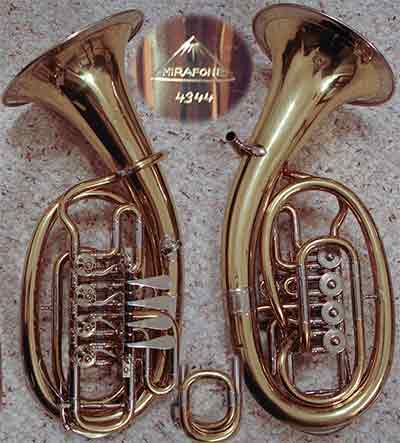
| 10669 |
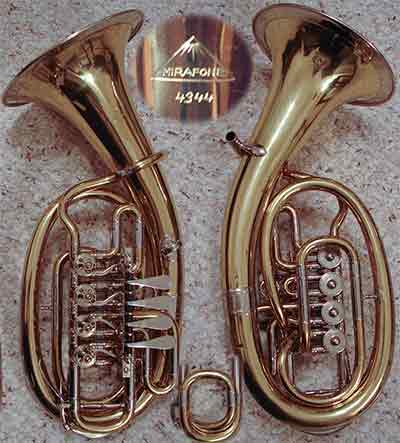
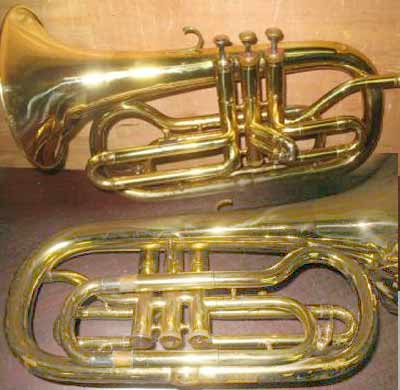
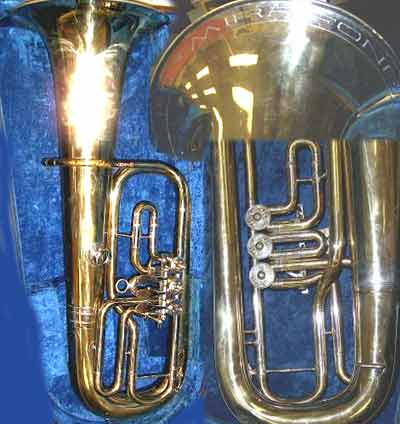
Alto Horn |
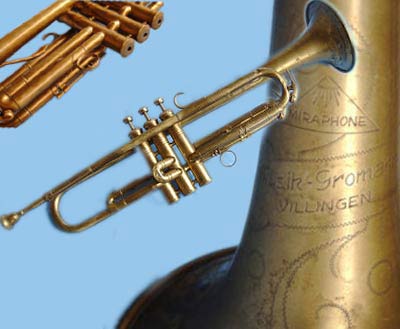
Miraphone |
|
4344 |
|
F/Eb |
 |
|
|
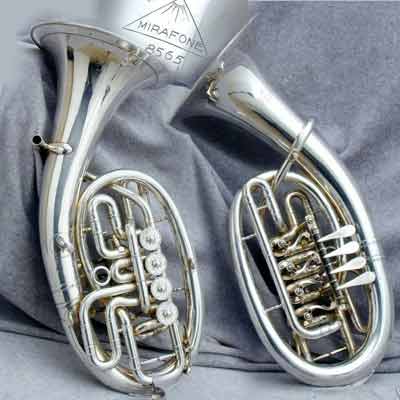
| 7430 |
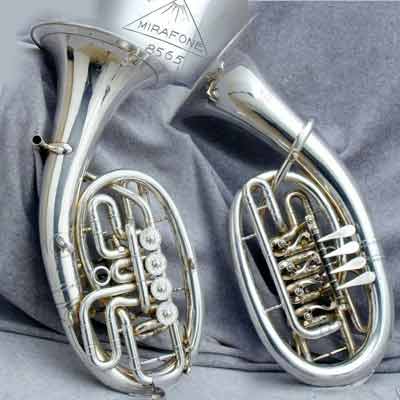
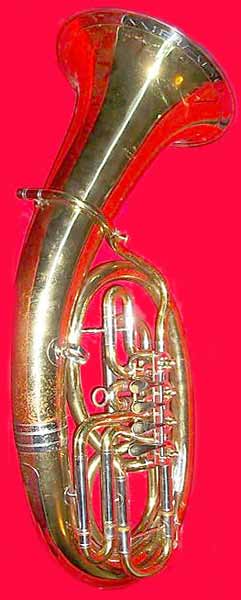
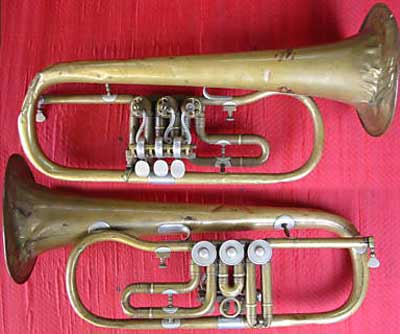
Alto Horn |
Miraphone |
|
8565 |
|
|
 |
|
|
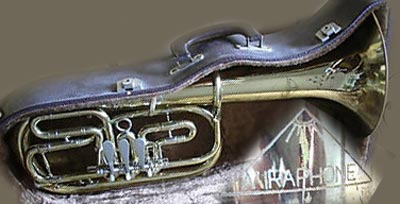
| 7310 |
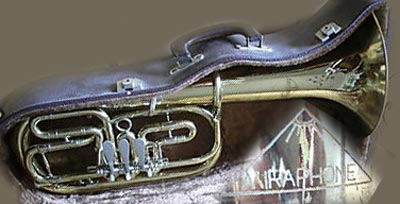
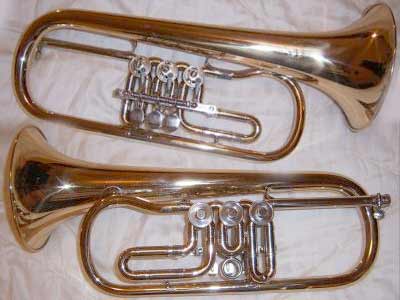
Alto Horn |
Miraphone |
|
|
|
|
 |
|
|
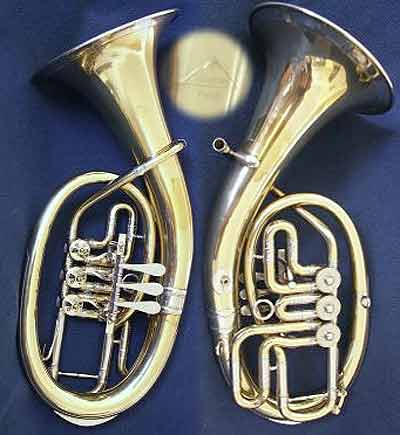
| 2571 |
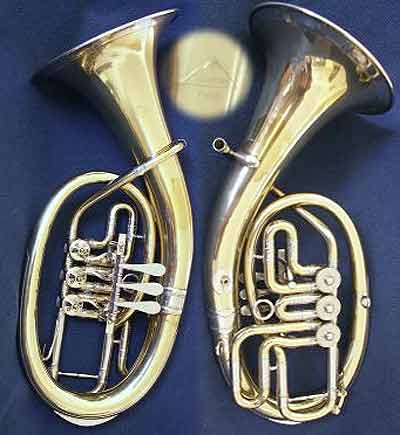
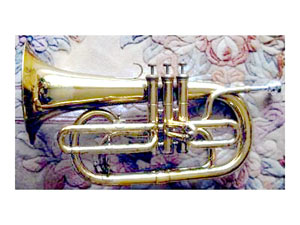
Alto Horn |
Miraphone |
35W |
|
|
|
 |
|
Discontinued about 15 years ago (c.1991)
|
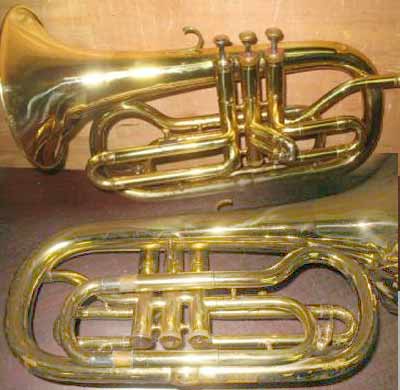
| 3414 |
Alto Horn |
Miraphone |
|
1114 |
|
Eb |
 |
|
|
| 7027 |
Baritone |
Miraphone |
|
73xx |
1971 |
|
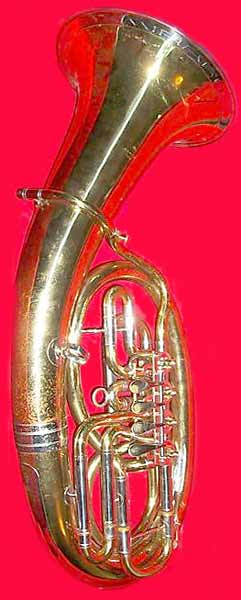 |
| Bell: 11.5in
Bore: .579
|
| 3925 |
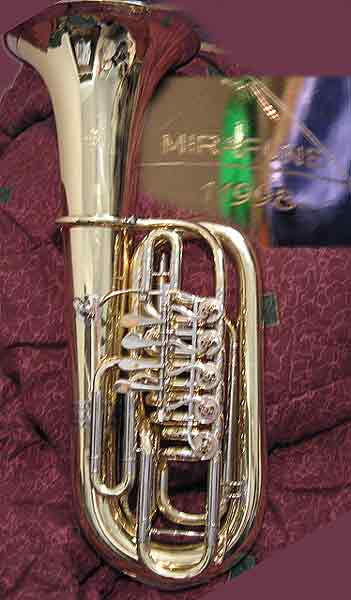
Baritone |
Miraphone |
Kaiserbaritone |
11998 |
1980s |
Bb |
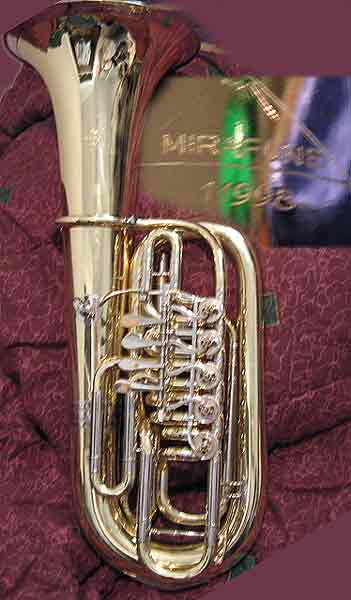 |
| 5-valve Bb, fifth rotor ooperated by thumb
|
| 10943 |
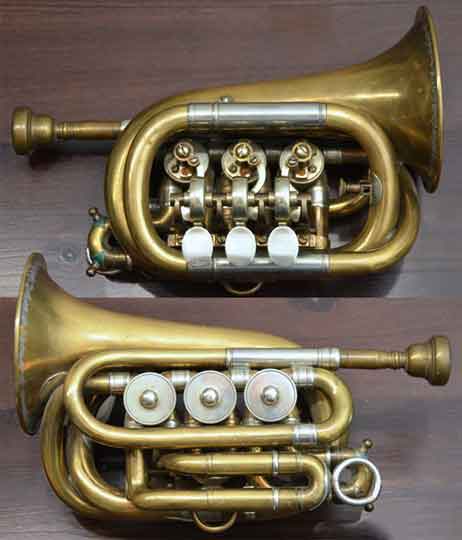
Cornet |
Miraphone |
Pocket |
|
|
Bb |
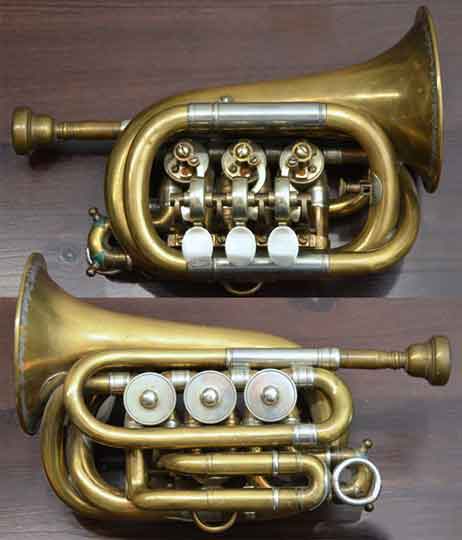 |
|
|
| 3725 |
Euphonium |
Miraphone |
|
8365 |
|
|
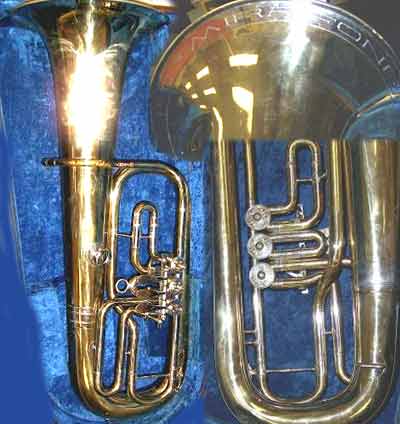 |
| Bell: 11in
|
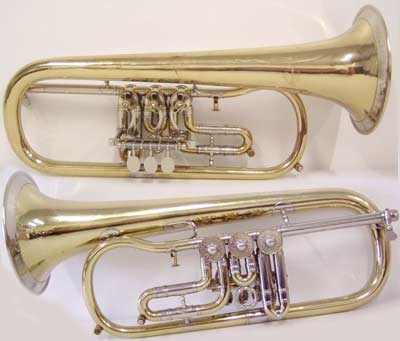
| 5086 |
Fluglehorn |
Miraphone |
|
|
|
|
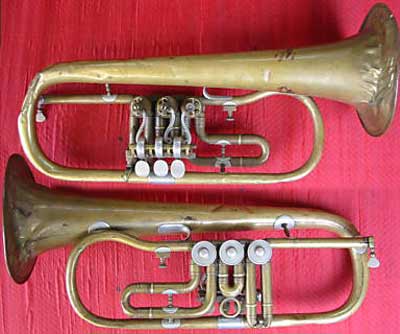 |
|
|
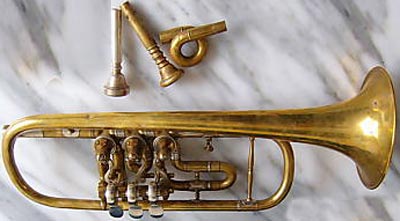
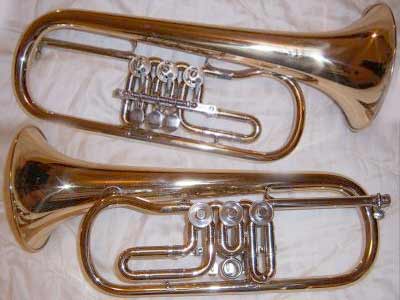
| 3453 |
Fluglehorn |
Miraphone |
|
29xxx |
|
|
 |
|
|
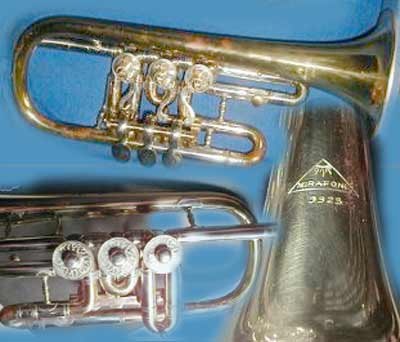
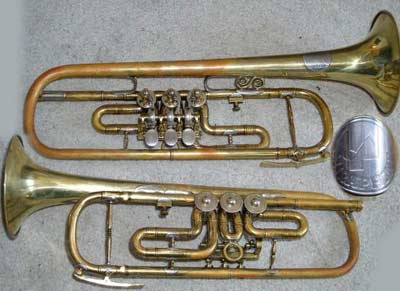
| 195 |
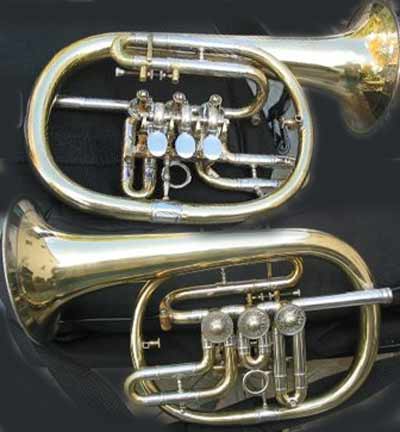
Fluglehorn; Alt |
Miraphone |
|
|
|
Eb |
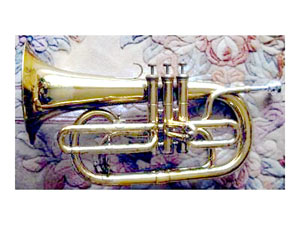 |
| horndawg: I would love to get my hands on one of these! I recently ran across a trombonist named Scott Reeves who also plays what he calls an alto flugelhorn, but in a recent email he explained that Mirafone called it an alto trumpet. He decided to call it a flugel because the horn appeared to be very, very conical to him.
it is a SARV horn and he plays it with a modified trombone mpc, so it is a slightly lower register but a nice, fat, warm sound.
Any ideas whether Mirafone still makes the instrument pictured here?
gsmonks: Unfortunately, I do not think so. Miraphone is still making their bass trumpet, which is a SARV. It is hard to tell what they are making in the flugle department because I can not find all their horns on an English-translated site.
Miraphone does not call their flugles flugles on their site. They sell various types of what they call Wing Horns (which is really what the term "flugel" means). It could be that you could find it somewhere in there, if they still make it.
Here is their site:
http://translate.google.com/translate?hl=en&sl=de&u=http://www.miraphone.de/&pre...
thetubameister: try www.miraphone.de and click the british flag on the top of the page
|
| 2274 |
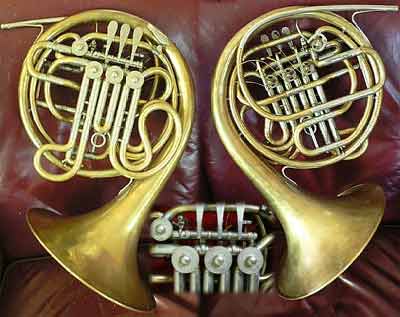
French Horn |
Miraphone |
|
30xx |
|
|
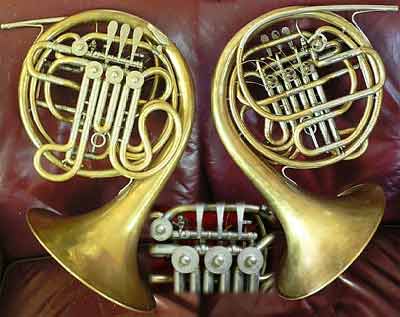 |
| Kruspe wrap
|
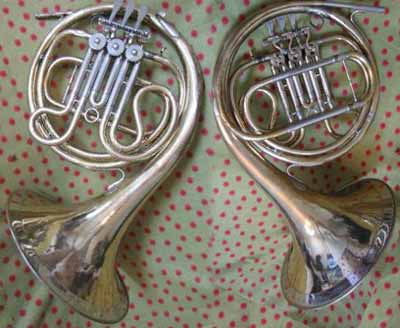
| 2595 |
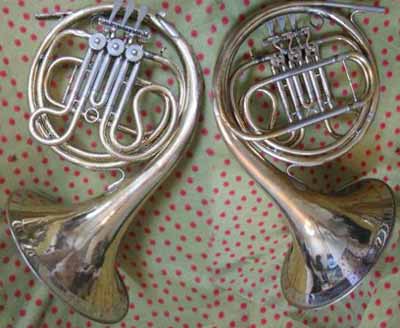
French Horn |
Miraphone |
|
|
|
|
 |
|
|
| 2969 |
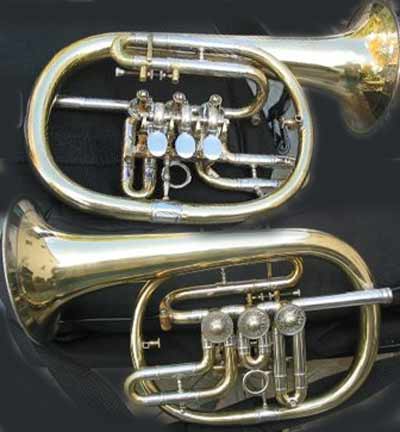
Kuhlohorn |
Miraphone |
|
9121 |
|
Bb |
 |
|
|
| 196 |
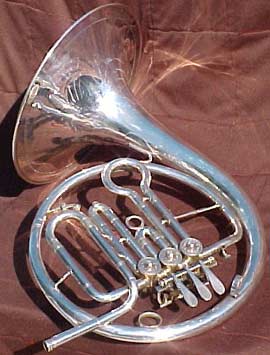
Mellophone |
Miraphone |
|
|
|
|
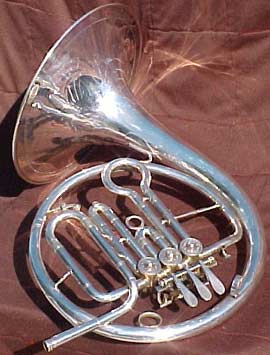 |
| gsmonks: Miraphone right-handed rotary valve althorn, in the typical althorn key of Eb.
Though never very common in mellophones, their close cousins, the althorns, have traditionally been manufactured using rotary valves.
Unlike the mellophones, which are hybrid instruments consisting of a mixture of conical and cylindrical tubing, this horn is truly a conical bore flugle instrument, and is very similar to the modern Cerveny and Dotzauer althorns.
VegasGeorge: I have a long standing love affair with my Mirafone F Althorn. I have owned the horn for many years, and play it often. For those of you who may not know, the Althorn is a bell left, rotary valve, German style (go figure!) alto horn. Mine has a fourth valve that lowers the pitch a Major 4th. That does two nice things: It provides alternate fingerings that tend to cure those pesky out of tune notes, and; It extends the low range of the instrument. I have three playable octaves, from written C below Middle C, to the C above Middle C. I only have to fake the low C#, but with my lips flapping like that, its just no problem!
It is a fabulous horn to play. The tone is very open and sonorous. It has a wide dynamic range. You cradle the horn in your arms such that you are literally hugging the horn while you play it. It is very intimate.
|
| 4112 |
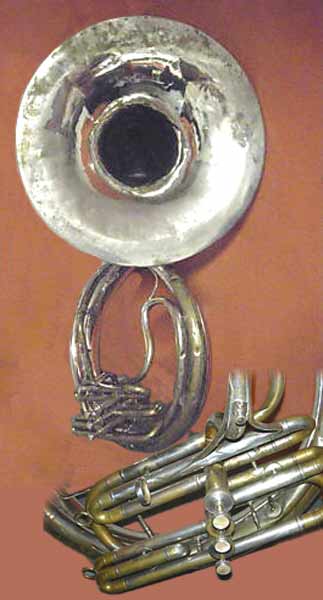
Sousaphone |
Miraphone |
|
|
|
|
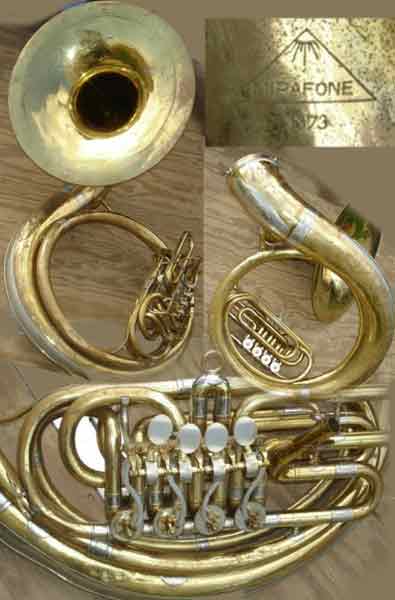 |
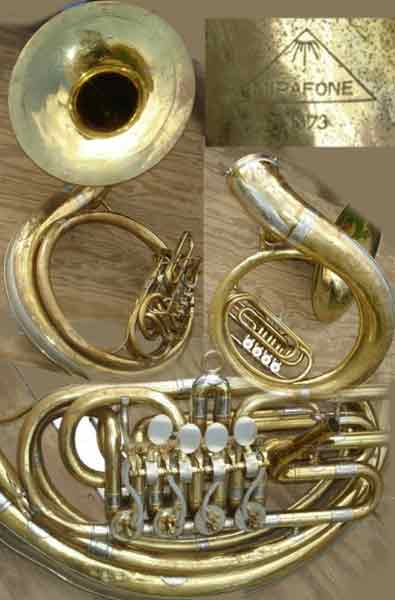
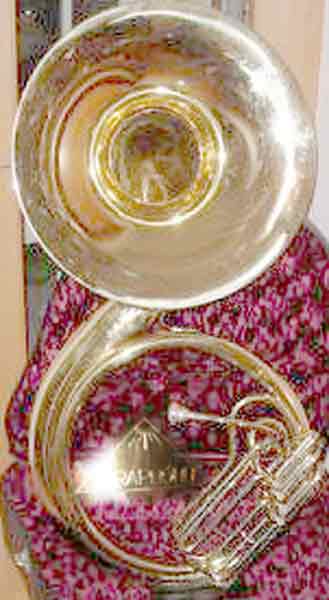
| Mirafone 1373
Pryorphone, quoting TubeNet: "That is a tuba built for the old California "Mirafone" distributors by someone else. It is substandard to Miraphone standards. The valve section does not look like Miraphone work, does it? No. That is the giveaway."
With the "f", the horn is American made, 1373 = pre-1960, and the and all the Miraphone instruments that I am familiar with DO NOT have clockspring valves. It makes perfect sense that perhaps a Czech manufacturer made the valves, which were then fitted to a Sousaphone body in California. Certainly, sousaphones were NOT required in Europe..
KimC: I must agree to Pryorphones arguments. While the sousaphone has begun to make its way in Europe now, it was rare in the pre 60s, and the Sousas that might have been found in Europe would have been imports from abroad.
That valve section looks oh-so-European, and exact similiar valve sections of the same kind can be found in a wide variety of tubas and helicons over here.
Of-two-bad-make-one-good repairs where the crafman does not look at maintainong the instrument in its original appearence, but the main thing is to get a playable instrument have been common ever since...
Repairmen of today may have got more focus on maintaining prominent makers instruments as original as possible, but in an orchestra sort of playable instruments this question may still not be asked.
Collectors would not do such things, but things look different out in the orchestras.
20 years ago most repairmen I knew gave heck in manufacturers, and brands, and just did what they could to get something playable out of it.
The results may be very original and profressional looking, a good craftsman could do such a repair (with proper parts available) so that it looks as if it never looked different.
It is my guess that this explains why tha tsousa looks like it does, of course things would look different if it proves that there are more instruments of the same kind around out there.
|
| 2354 |
Sousaphone |
Miraphone |
|
|
|
|
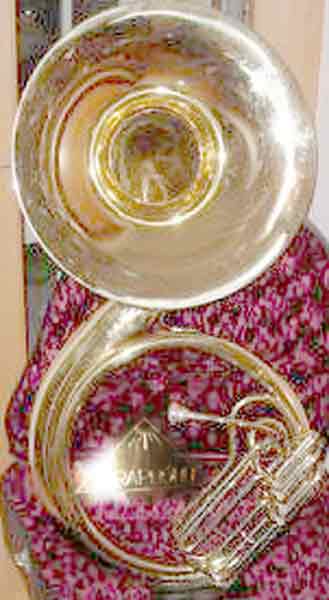 |
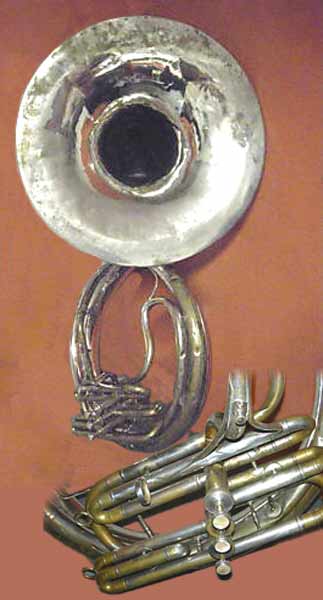
| 4valve
|
| 6379 |
Sousaphone |
Miraphone |
|
|
|
|
 |
|
|
| 7872 |
Trombone; Bass |
Miraphone |
|
|
1970s |
BBb |
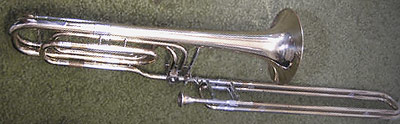 |
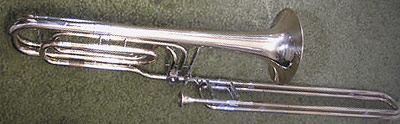
| Double slide, F attachment
Bore: .560
Bell 10in
|
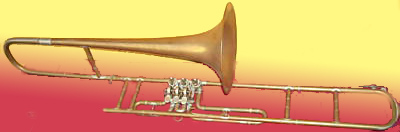
| 5740 |
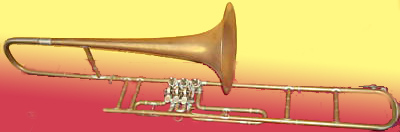
Trombone; Valve |
Miraphone |
|
|
|
|
 |
|
|
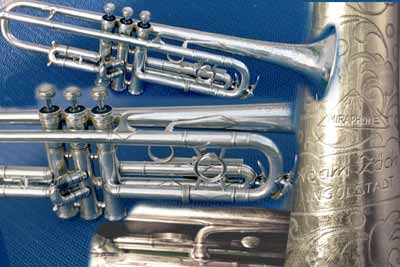
| 3221 |
Trumpet |
Miraphone |
|
3323 |
1966 |
D |
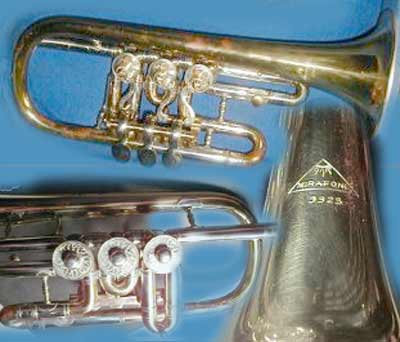 |
| D
Bore 1.40mm
Length 12 in
|
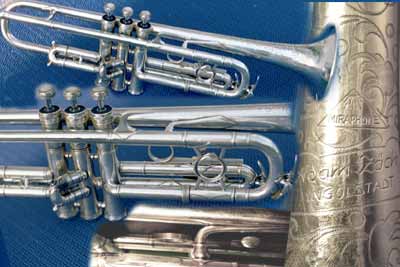
| 1497 |
Trumpet |
Miraphone |
255 |
|
1970 |
|
 |
|
|
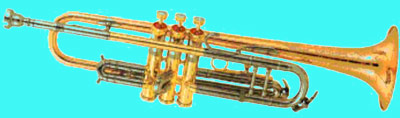
| 1511 |
Trumpet |
Miraphone |
255 |
|
1980 |
|
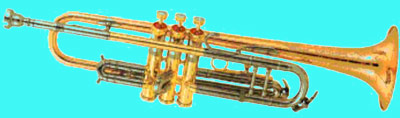 |
| This trumpet show rods and braces that are a close match to those used on a Hüller.
Zach is a music store.
|
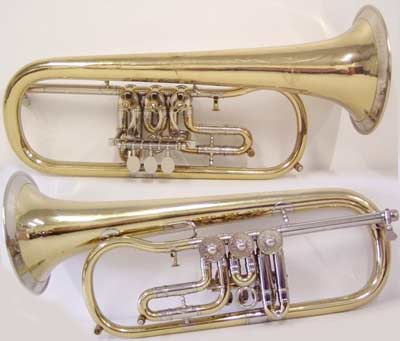
| 1728 |
Trumpet |
Miraphone |
|
|
|
|
 |
|
|
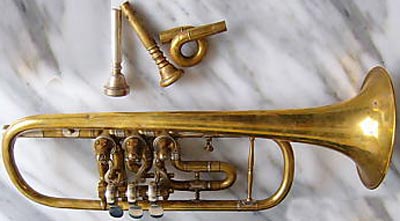
| 5708 |
Trumpet |
Miraphone |
|
|
|
|
 |
|
|
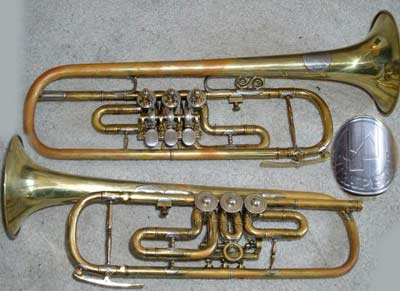
| 2678 |
Trumpet |
Miraphone |
|
|
|
|
 |
|
|
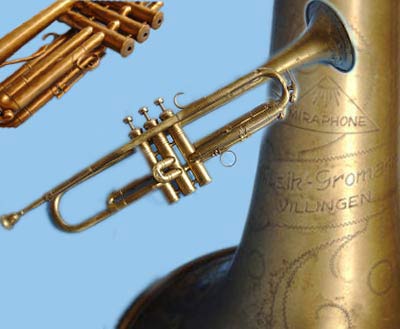
| 4819 |
Trumpet |
Miraphone |
|
|
|
|
 |
|
|
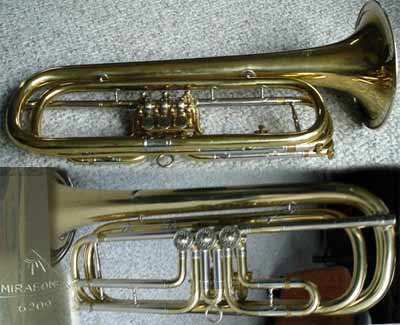
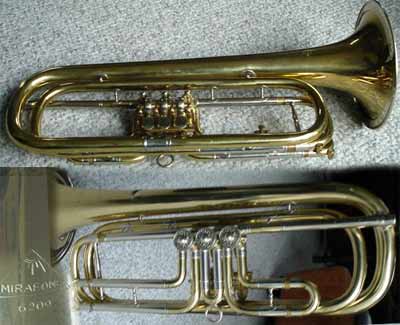
| 6140 |
Trumpet; Bass |
Miraphone |
|
6209 |
1970 |
|
 |
|
|
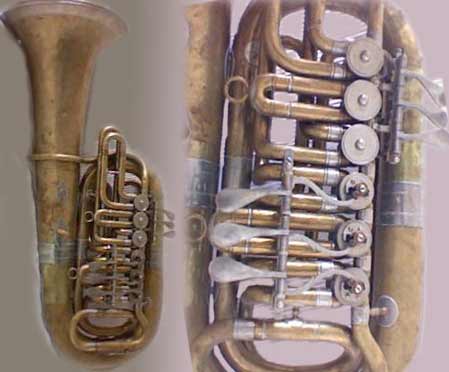
| 4820 |
Tuba |
Miraphone |
|
|
|
F |
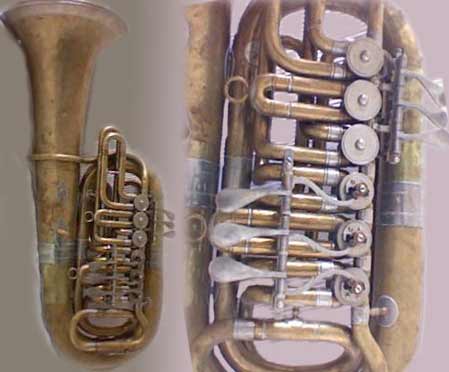 |
| 6 valve
Height 36in
Bell: 13.5in
|